
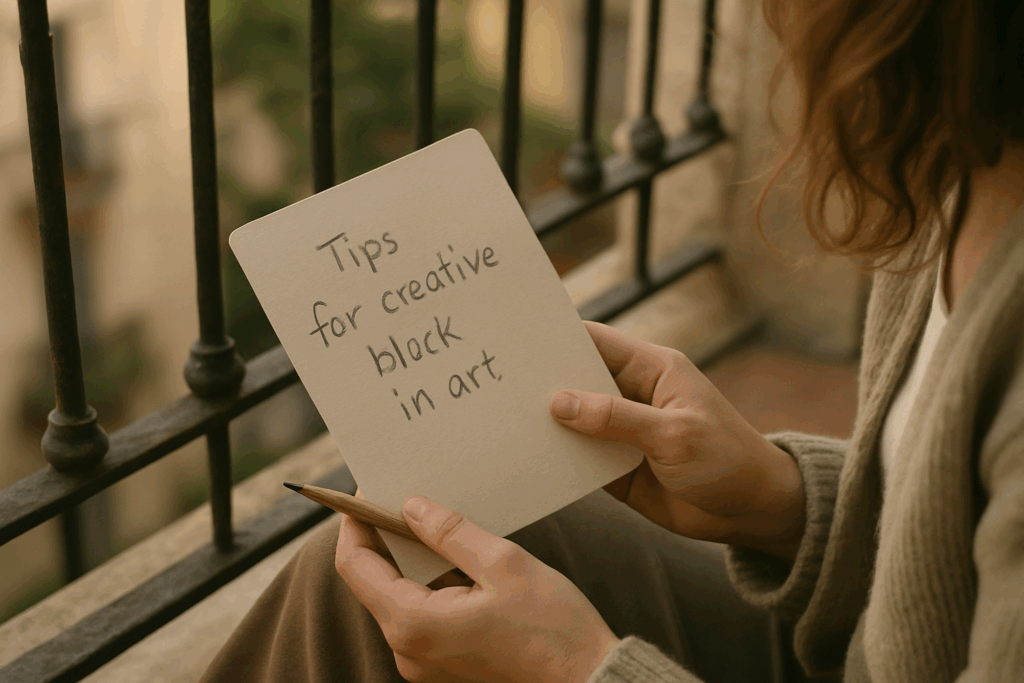
Recognizing the Block
This isn’t just procrastination. When you’re creatively stuck, it feels heavier. No spark. No drive. Just a long stare at a blank page or screen, maybe a dozen half formed ideas you instantly dismiss. That’s not laziness it’s mental fatigue, overthinking on a loop, or total lack of inspiration. If you’ve started three projects and finished none, or if your usual tricks to get going fall flat, you’re probably in a rut, not just putting things off.
And here’s the thing: willpower won’t drag you out of it. You can’t muscle your way back to creativity. Discipline helps, sure, but it can also backfire turning art into obligation, and pressure into paralysis. The block needs a reset, not a hammer. You need fuel, not force. Recognizing the difference is step one. Only then can you shift into strategies that actually work.
Technique 1: Change the Medium
Sometimes, the fastest way through a creative block is sideways. If you’re a writer, stop writing. A painter? Drop the brush. Pick up something that feels awkward at first clay, collage, even glitch art. The goal isn’t mastery. It’s motion.
Why does this work? Because a new medium keeps your inner critic quiet. You’re not trying to be good you’re just trying. Sculpting a misshapen bird out of clay or tearing up old magazines for a collage forces you back into a state of play. It breaks the loop of overthinking and kicks your brain onto fresh tracks.
There’s almost zero downside. You’re not publishing this stuff. You’re not building a portfolio. You’re just shaking the dust off and making something with your hands. And more often than not, that small detour sends you back to your original medium feeling looser, less self conscious, and ready to make honest work again.
Technique 2: Time Limited Creation
When you’re stuck, endless hours and a blank canvas can be paralyzing. Limitations feel counterintuitive, but they do something wild to your brain: they force movement. A ten minute sketch, a six word story, a 16 bar beat made during your lunch break these aren’t throwaways. They’re creative drills that restart the engine.
There’s freedom in boundaries. Give your brain a box, and it starts trying to break out of it. That’s because constraints shrink the decision field. Instead of spiraling through infinite options, you’re focused, agile, and experimental by necessity. It’s not about perfection it’s about pace. Done is better than perfect.
Psychologically, structured bursts tap into the flow state without the pressure of big output. The time cap lets your inner critic loosen its grip. Over time, this builds habit and momentum. Try setting a daily 10 minute challenge for a week. Don’t overthink. Don’t edit. Just create fast and move on. That’s how a block becomes a breakthrough.
Technique 3: Reverse Thinking
When you’re out of fresh ideas, flip the process. Instead of starting with a blank page and working forward, begin at the finish line. What does the end product feel like? Sound like? Who’s it for? Reverse engineer the path to get there. This flips your brain out of autopilot and forces it to make new connections.
Try antonyms take a bright, cheery message and spin it into something dark and ironic. Flip genres: what if your romantic poem was actually a horror script? Turn a quiet nature painting into a gritty comic book panel. The goal isn’t polish right away, it’s disruption. These exercises help you break the comfortable loops that lead to stale work.
Your mind tends to grab for familiar patterns. Reverse thinking snaps that habit. It may feel awkward at first but that discomfort is where originality lives.
Technique 4: Creative Cross Pollination
When your go to idea engine sputters, it’s time to steal concepts from places that have nothing to do with your work. A choreographer might find a new movement by studying the mating rituals of birds. A writer could rework a tired plot twist by borrowing from Norse mythology’s narrative chaos. An architect’s clean, minimalist lines can spark new tone or structure in a song.
These random inputs aren’t random at all. They wake up your associative brain the part that links unlike things and turns them into unexpected gold. That’s the core of creativity. The more offbeat the inspiration, the more likely it is to short circuit your defaults and trigger original thinking.
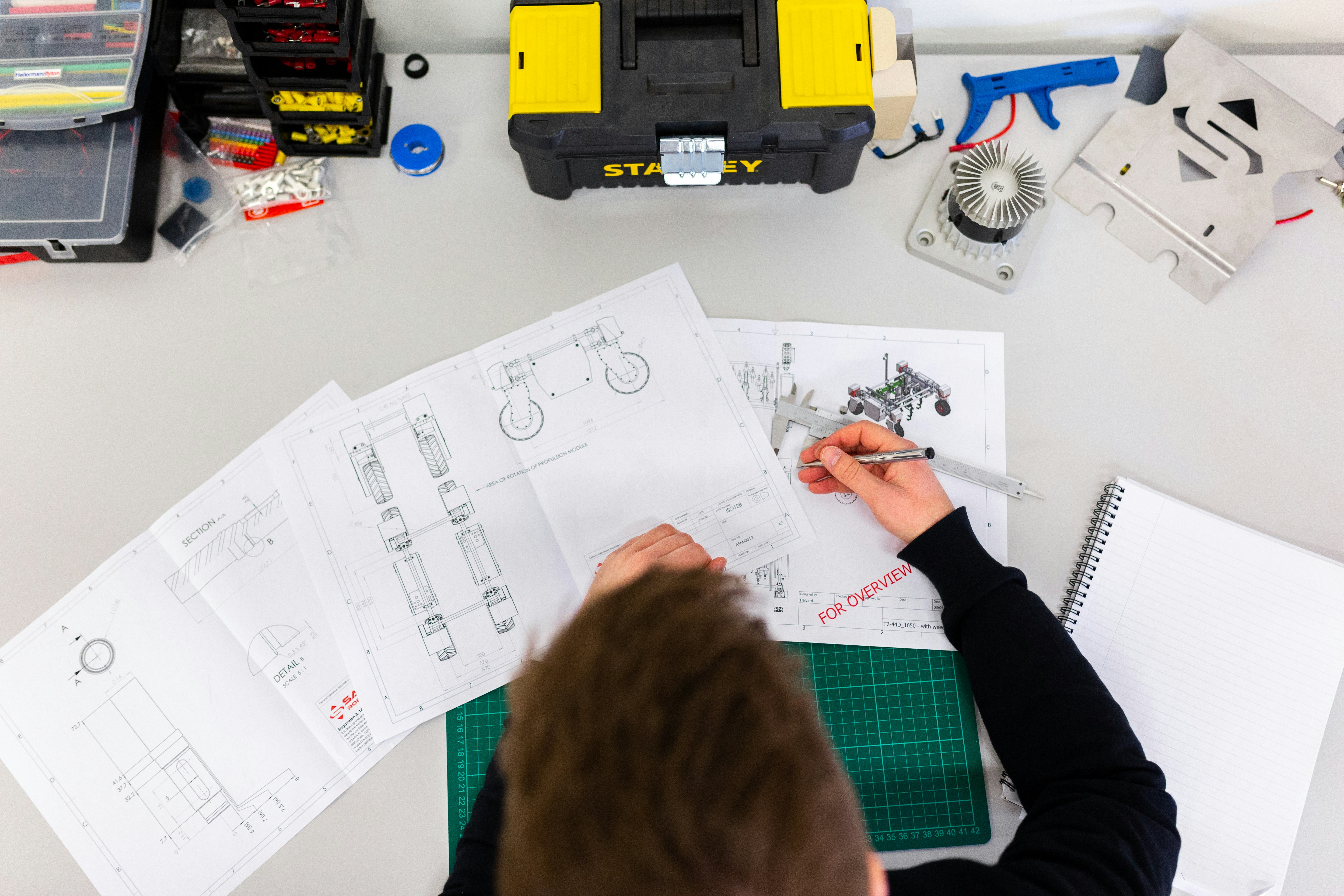
Don’t wait for relevance. Instead, flip through old science journals, read folklore from a country you’ve never visited, stare at blueprints. Creative breakthroughs rarely arrive from staring harder at the block. They show up when you’re looking elsewhere entirely.
Technique 5: Controlled Creative Chaos
When structured routines and meticulous planning aren’t delivering results, it’s time to stir things up.
Let Go of Perfection
Creative breakthroughs often come when you release the pressure to create something “good.” Forget the final product. Focus on releasing whatever is in your mind, even if it feels chaotic or unpolished.
Drop the need to impress or finish
Allow incoherence it’s part of the process
Trust that creativity builds through motion, not control
Try Stream of Consciousness Techniques
Unfiltered creation can be incredibly liberating. Set a timer and just go no editing, no judging.
Examples to try:
Stream of consciousness writing: Jot down whatever comes to your mind for 10 15 minutes without pausing
Free sketching or doodling: Let your hand move without any plan or intention
Sound experiments (for musicians): Improvise using unfamiliar effects or instruments
These aren’t warm ups. They are the work.
Focus on Flow, Not Finish
Rather than obsessing over the outcome, focus on finding and staying in the flow. This mindset reduces internal pressure and often leads to surprising insights.
Create with no outcome in mind
Set short, manageable time slots to work in bursts
Reflect later right now, just show up and make
Creating freely builds momentum. And with enough momentum, the block doesn’t stand a chance.
When the Block Runs Deep
Sometimes the tricks don’t work. You’ve tried flipping your process, changing your tools, giving yourself limits and nothing clicks. That’s your signal: the block isn’t just creative. It’s coming from somewhere deeper.
Exhaustion, fear, and perfectionism are the usual suspects. Burnout disguises itself as laziness. Fear pretends to be planning. Perfectionism keeps you editing your idea before it even makes it onto the page. You can’t out hack these things. You have to meet them head on.
Start by giving yourself actual rest not scrolling or zoning out, but boredom, walks, long showers, face down on sofa type rest. Follow that with play. Do something dumb just because. Your brain runs on pattern recognition; it needs unstructured moments to build new ones.
And then, quietly, revisit your “why.” This isn’t about brand alignment or follower growth. Ask why you started making anything in the first place and what kind of creating still lights you up. That answer isn’t always tidy. But it’s the only compass worth trusting when your mind goes quiet.
Before you go chasing the next flash of inspiration, stock your toolkit. We’ve only scratched the surface here. For a grounded, no fluff breakdown of strategies that actually help, check out this deep dive: creative block solutions. It’s packed with ideas tested by working creatives not just trendy hacks.
Don’t wait until the wheels come off. Rotate these tools in regularly, even when the ideas are flowing. Think of it like creative upkeep. Stay ready, so you don’t have to get ready.
Final Note
Creative block isn’t failure. It’s friction. A signal that something needs to shift your pace, your tools, maybe your expectations. It’s not glamorous, but it’s not permanent either. And pushing harder usually makes it worse.
The answer isn’t to force your way through. It’s to get curious. Small experiments, foreign influences, and mental detours can create just enough movement to break the lock. The goal isn’t to bounce back to where you were it’s to come back clearer, stronger, and more fluent in your own process than before.
Blocks don’t shrink your creativity. They sharpen it. When used right, they don’t delay progress they define it.