Art as Real Time Commentary
Contemporary artists don’t wait for history books they react to the world as it unfolds. From protests in Tehran to climate marches in Berlin, political unrest and global emergencies find instant echoes in visual form. This isn’t art for galleries months down the line. It’s street murals painted overnight. It’s digital projections on government buildings. It’s guerrilla installations made from newsprint and rubble.
Medium matters as much as message. A wheatpaste poster thrown up on a city wall hits different than a sleek museum piece. A virtual installation in a war torn country may reach more eyes through a phone screen than it ever could on the ground. Artists leverage tools that travel fast from drones to iPads to projector backpacks all to respond with urgency and clarity.
And then there’s social media, the amplifier that never sleeps. A mural in Bogotá can go global in seconds, shared across continents by users hungry for perspective. Hashtags become curation tools. Virality moves art from sidewalk to screen to conversation. In a world flooded with content, politically charged visuals still cut through when they tap into something immediate, pressing, and undeniably human.
Common Themes in Politically Charged Art
Contemporary art serves as a visual barometer of global unrest and sociopolitical anxiety. Artists across regions and disciplines are increasingly turning their focus toward urgent issues that affect societies at large. Through powerful visuals and evocative concepts, they bring intangible or overlooked struggles into public consciousness.
Core Themes Driving Political Art
A number of recurring topics dominate politically engaged art in the 21st century. These issues are not only timely they’re deeply personal and universally resonant:
Migration and displacement: Artists illustrate the human cost of forced movement, depicting the emotional toll of borders, uprooting, and refugee crises.
War and conflict: From abstract expressions of trauma to literal battlefield imagery, many creatives parse the physical and psychological aftermath of war.
Climate change: Art becomes a sensory forecast of ecological destruction, often blending science, advocacy, and aesthetics.
Censorship and freedom of expression: In repressive regimes and liberal democracies alike, art calls out silencing and propaganda.
Identity politics: Explorations of race, gender, and sexuality challenge dominant narratives and center marginalized experiences.
Visual Metaphors Drawn from Headlines
Instead of literal reportage, many artists rely on symbolism, visual metaphor, and layered visuals to interpret news driven issues. For instance:
Collaged images of drowning cities to comment on rising sea levels.
Barbed wire motifs to symbolize restricted movement or refugee internment.
The use of national flags reimagined or defaced to question patriotism, power, or colonial legacy.
Artists function as semiotic thinkers translating data, headlines, and policy debates into emotionally resonant images.
When Art Becomes Protest
More than reflective, politically charged art can also be an active form of resistance. Art becomes protest when it:
Occupies public spaces to disrupt daily life or draw attention to a cause (e.g., large scale street murals, public installations, guerrilla projections).
Engages in direct commentary against institutions, leaders, or ideologies.
Amplifies marginalized voices and dissent that traditional media may overlook.
As institutional trust fractures and social division grows, artists are not just creating about the moment they are helping to shape it.
The Role of Conceptual Art in Political Reflection
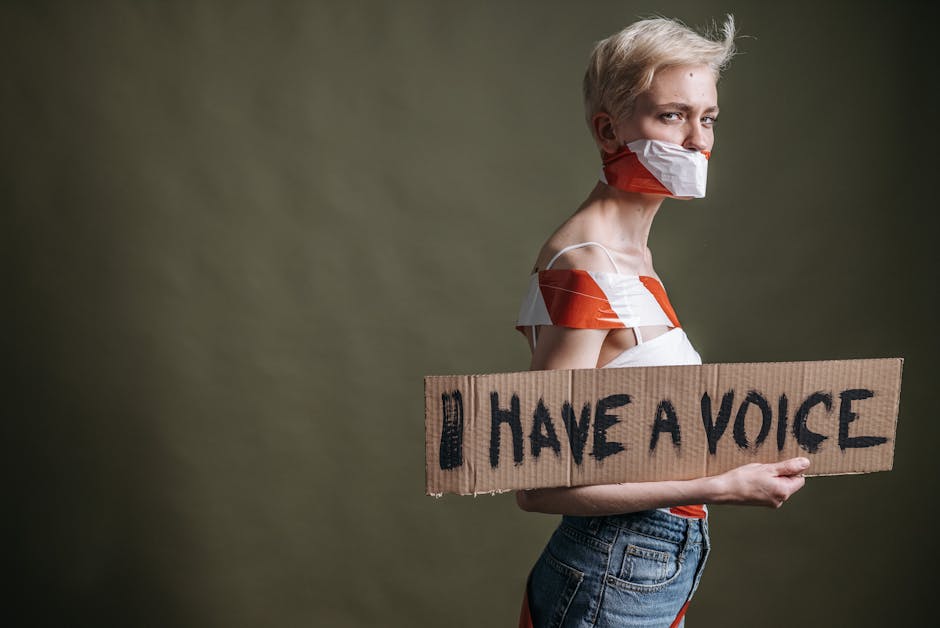
In the face of rising nationalism, widening inequality, and ever tightening surveillance, many contemporary artists are turning away from aesthetics for aesthetic’s sake. Their focus isn’t on what looks good it’s on what makes people stop and think. Conceptual art strips down the visual to put the idea front and center. It’s not about the paint stroke; it’s about the message underneath it.
Why? Because power structures thrive on control of narrative, of access, of meaning. By subverting traditional beauty, conceptual artists disrupt expectations and poke holes in the systems that shape our lives. There’s a reason why a blank wall with a single whispered voice in a gallery can hit harder than a canvas covered in oil and color: it dares the audience to ask what’s missing, and why.
Take Ai Weiwei’s “Study of Perspective” series, where he gives the middle finger to institutions from the White House to Tiananmen Square. Or Jenny Holzer’s LED installations that beam sharp texts about authority and violence in public spaces. More recent pieces, like Forensic Architecture’s investigations into government abuses, use data and visuals to challenge the official story altogether. These works aren’t soft revolutions. They’re precise, intellectual gut punches.
Conceptual art stays lean but potent. And in an age when attention is fragmented and politics increasingly performative, that kind of clarity cuts through the noise.
Read more about how this form of resistance is evolving in The Rise of Conceptual Art in the 21st Century.
Institutions vs. Independent Voices
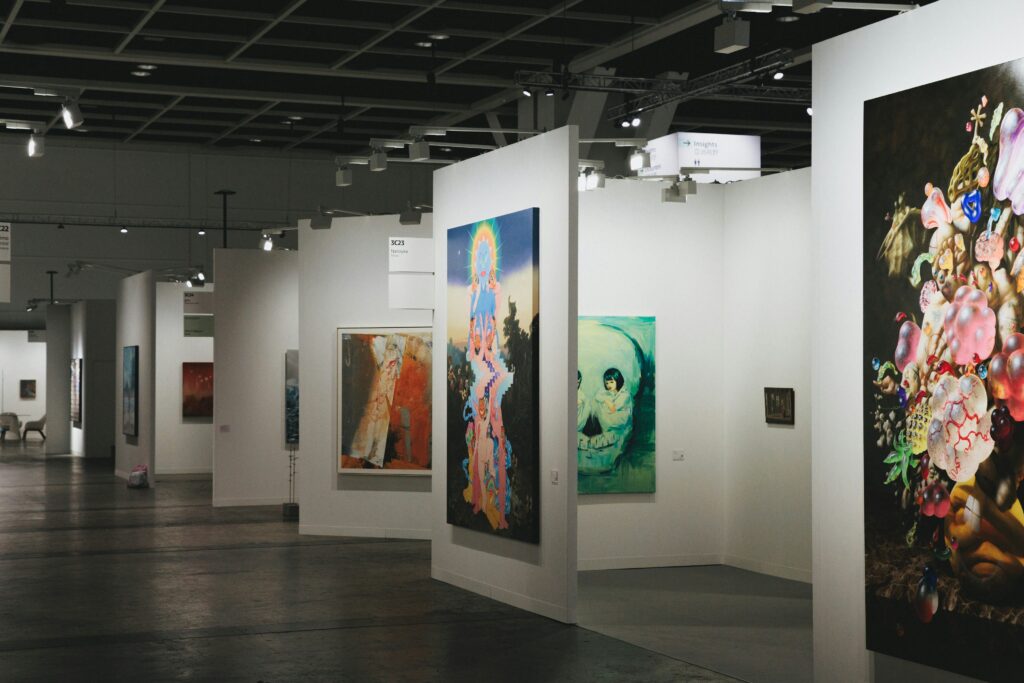
Museums and galleries are being pushed off the sidelines. Activist narratives have moved from the fringes to the main floor, and institutions are under pressure to not just display, but take a position. This shift isn’t always smooth. Legacy institutions slow, careful, often corporate are being challenged by grassroots artists who value urgency over politeness.
The tension is real: underground spaces thrive on raw expression and risk, while established galleries often get tangled in board politics and risk averse funding streams. When an artist calls out colonial legacies or police violence, a museum showing that work isn’t just exhibiting it’s endorsing. That endorsement comes with consequences. Support from donors may dry up. Headlines follow. Reputations get tested.
Funding becomes political by default. Accepting money from oil companies while showing climate protests? Conflict. Continuing exhibitions on social justice while evading local activist demands? Hypocrisy. More and more, to support politically charged art is to pick a side, whether you like it or not.
Lasting Impact or Fleeting Statement?
Political art doesn’t always go viral but it sticks. The question isn’t whether it changes presidents overnight, but whether it shifts the way people think long term. Some pieces fade fast, tied too tightly to a single headline. Others, like Ai Weiwei’s refugee installations or Jenny Holzer’s projections of government texts, create ripples that reach into classrooms, newsrooms, even courtrooms.
Art rarely functions as a one off. It gains weight through repetition, through variations across time and geography. A mural painted once in protest may be recreated, reposted, or repurposed not to echo the same moment, but to keep the conversation alive. That’s how impact builds.
Some artists evolve their work deliberately, updating projects as policies change. Others invite public interaction to keep it breathing stencils become memes, installations become community rituals. The staying power isn’t always in the object; it’s in the response it stokes, again and again. Art doesn’t need the last word. It needs to keep asking the next question.
Where It’s Going
Cross Border Collaborations and Global Resistance
Contemporary political art is no longer confined by geography. A growing number of artists are working across borders, forming collectives and digital alliances that amplify shared struggles. These collaborations build bridges between movements, allowing artists to echo each other’s messages across language and cultural barriers.
Art collectives emerge with members from different continents
Shared themes: resistance, solidarity, and social justice
Digital exhibitions and online campaigns foster global dialogue
These cross national projects serve both as cultural exchange and unified forms of protest proving that art can forge solidarity in the face of oppression.
Technology Meets Activism
Emerging technologies are reshaping the tools available to politically engaged artists. While traditional media remain powerful, today’s creators also harness new platforms to challenge institutions, visualize oppression, and engage audiences.
NFTs offer decentralized ownership and funding channels, allowing activist artists to bypass gatekeepers
Artificial Intelligence (AI) is used to generate satirical deepfakes or simulate dystopian futures, provoking ethical and political reflection
Virtual Reality (VR) immerses viewers in fabricated war zones or environmental crises, creating empathy through experience
As these technologies evolve, they redefine how political narratives are built and consumed.
Conceptual Art Continues to Evolve
Conceptual art, once dismissed for its minimalism or abstraction, has become a major force in political discourse. Its emphasis on ideas rather than objects makes it an ideal form for activism nuanced, elastic, and capable of making viewers question embedded power structures.
Artists blur boundaries between performance, text, installation, and digital forms
Many works address systemic injustice in subtle but deeply resonant ways
Conceptual art’s intellectual rigor sustains long term conversations beyond the news cycle
For a deeper look into its trajectory, see The Rise of Conceptual Art in the 21st Century. As artists push further into hybrid, tech infused methods, conceptual art remains both a method and a message a space for imagination, intellect, and protest.