Art in Defiance of Stereotypes
For decades, Muslim artists were boxed in expected to portray either conflict or conformity. But that mold is finally cracking. Across disciplines, Muslim creatives are rejecting one dimensional narratives and taking control of how their identities are shown. They’re writing their own scripts, painting their own truths, and building something bigger than cultural approval.
The tension is real. Many walk a fine line between honoring tradition and pursuing something deeply personal. This isn’t rebellion for its own sake it’s evolution. Artists are asking hard questions: Where do culture and faith stop, and where does the individual begin? The answers are showing up on canvases, in indie films, and through powerful stage work that refuses to water anything down.
Why does this matter? Because for too long, representation has meant being cast as the outsider or worse, the threat. Authentic visibility doesn’t just tell better stories; it opens doors, breaks down walls, and gives the next generation a place to see themselves without apology. That’s not just art it’s survival.
Themes Reshaped Through Lens and Brush
Identity as a Layered Narrative
Muslim identity, as explored by today’s artists, is no longer treated as a single brushstroke. It’s a layered tapestry complex, evolving, and deeply personal. The art being made today challenges the idea that one’s religious or cultural identity must fit pre defined molds. For many creators, these layers include family heritage, national histories, modes of faith expression, language, and personal politics.
Key ideas artists express about identity:
Fluid interpretations of tradition and modernity
Hybrid influences shaped by diaspora experiences
The intersection of faith, culture, and individuality
Art as Resistance, Remembrance, and Reimagination
Muslim artists are using their platforms not only to question prevailing narratives but also to honor forgotten ones. Art becomes a vehicle for reclaiming stories that have been overlooked, erased, or simplified. Whether responding to colonial legacies, Islamophobic media, or cultural erasure, their works are deeply rooted in reasserting self defined humanity.
Recurring themes across mediums:
Visual resistance to dominant cultural narratives
Honoring ancestral memory and communal trauma
Reimagining Islamic aesthetics through contemporary modes
Navigating Diaspora, Faith, and Gender
The journey of displacement voluntary or forced has had a profound impact on Muslim creatives. Many explore the emotional and spiritual nuances of living between worlds. Alongside this, female artists and those from gender diverse backgrounds are powerfully redefining their presence in traditions that have often centered male voices.
Explored focal points:
The challenges of navigating multiple identities in foreign or hybrid cultures
Gender expression within traditional and reformist Islamic frameworks
Faith as both grounding force and dynamic source of inspiration
Through all of this, the work does more than reference religion or culture it creates space for open questions, radical honesty, and visual poetry.
Women Leading the Shift
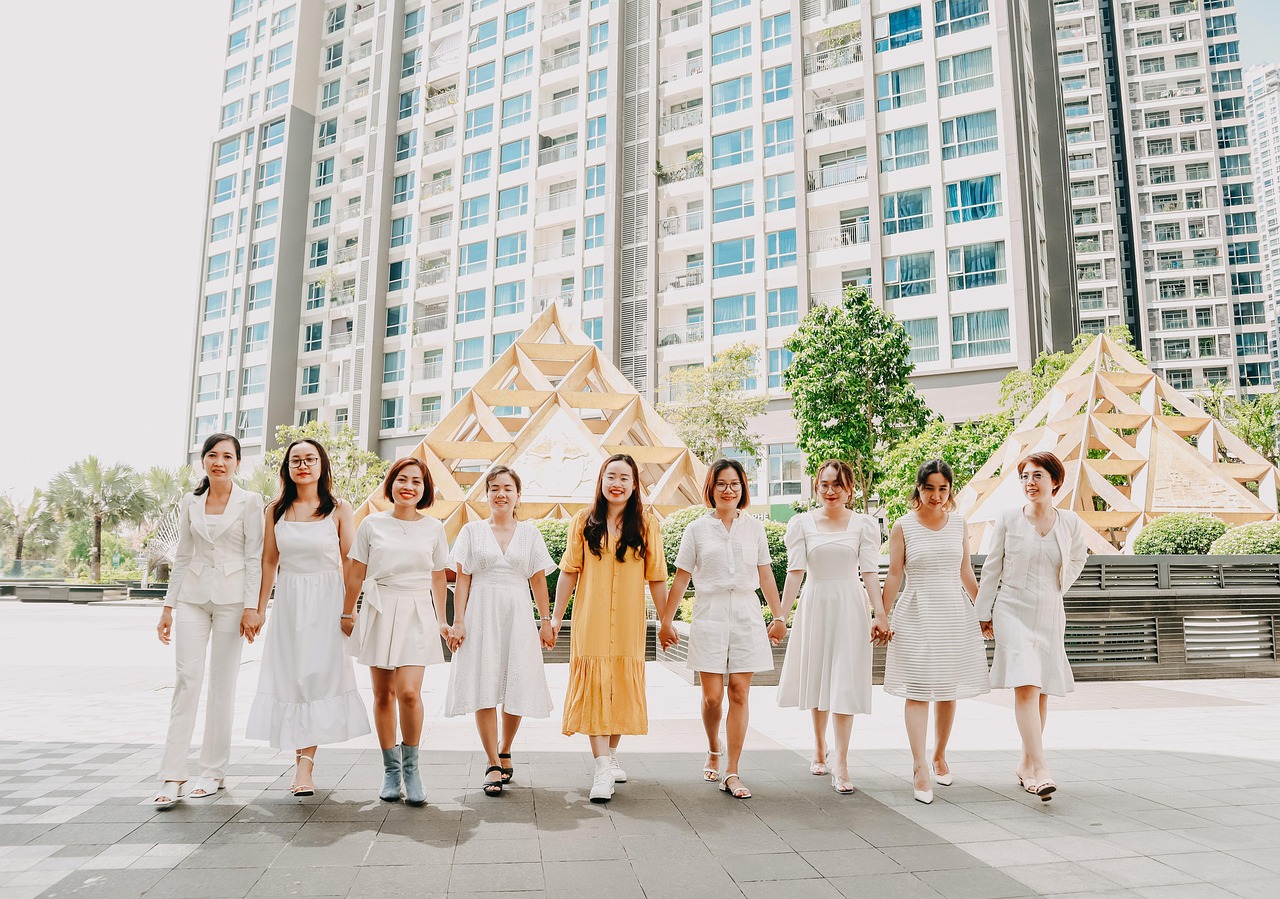
It’s no longer a whisper female Muslim artists are shaping the narrative with a directness that cuts through. Their work doesn’t ask for permission. It builds its own space. From expansive installations to intimate performance pieces, they’re using the full range of media to reclaim identity and push stories that rarely get told from the inside.
Minimalism isn’t silence here; it’s precision. Symbolism isn’t abstract; it’s deliberate. These artists are embedding ancestral echoes, spiritual tension, and personal remembrance into every texture and frame. The result is storytelling that doesn’t flatter existing structures it cracks them open.
Many are turning to new media projection art, AR, even algorithmic video to explore space, body, and voice in layered ways. The digital becomes sacred terrain. The performance becomes prayer. In resisting rigid narratives, they’re building something more fluid, more honest.
For a look at some of the leading figures and their impact on immersive visual art, check out Women in Installation Art.
Beyond the Gallery Walls
The most groundbreaking Muslim artists aren’t waiting around for traditional spaces to green light their stories. Their work lives where the public already is: online feeds, city streets, and community gatherings. TikToks that unpack identity. Murals in neighborhoods brushed with resilience. Pop up exhibits that blur the line between protest and poetry. This isn’t art meant to hang quietly it’s designed to live, move, and call people in.
Through this shift, conversations about Islamophobia, displacement, and the weight of misrepresentation become more visible and more human. But just as important is the joy threaded through it all. These artists aren’t only confronting what’s ugly they’re also documenting what it feels like to belong, to celebrate faith, and to find common ground across difference.
Collaboration is key here. Muslim artists are teaming up with Black, Indigenous, queer, disabled, and other marginalized creatives to build something bigger than one story. The work doesn’t just reflect reality it reshapes it. Intersectional visibility isn’t a buzzword. It’s the canvas itself.
Impact That Cuts Across Cultures
Muslim creators around the world are taking control of their own narratives and the ripple effect is deep. This isn’t about representing a monolith. It’s about reclaiming space, telling stories from the inside, and refusing to be flattened into a stereotype. From indie filmmakers in Jakarta to muralists in Brooklyn, global Muslim creatives are reshaping how audiences perceive faith, identity, and nuance.
Art isn’t staying in its lane either. It’s bleeding into classrooms, protests, and feeds. Muslim led projects are making their way into education curriculums, building bridges through shared history and culture. In activism, visuals once used to marginalize are now used to mobilize. And in pop culture from fashion to animation the influence is unmistakable.
What’s driving this isn’t just representation. It’s the refusal to be simplified. These stories are personal, layered, and rooted in local realities even as they speak to global themes. The result? A creative movement that doesn’t just challenge dominant narratives but replaces them with something far more human.
Where the Movement is Headed
The next wave of Muslim artists isn’t waiting for traditional validation. They’re launching on decentralized platforms, building communities on Web3, and creating immersive installations in digital spaces. What counts now isn’t a gallery show it’s visibility, access, and narrative control. Tech is the new canvas.
Emerging Muslim voices are using VR to reconstruct memory, AI to reimagine lineage, and the metaverse to stage exhibitions that feel more like pilgrimages than product. These aren’t gimmicks they’re tools being shaped with intention. Storytelling here becomes multilayered, unrestricted by borders or gatekeepers.
This shift isn’t just about innovation. It’s about agency. The tech expands what’s possible, but the real driver is purpose: art that asks bigger questions about faith, freedom, and identity. At its core, the movement is redefining not just how artists create but how they live, engage, and sustain their narrative.
More on this evolution and its catalysts: Women in Installation Art.
 Anthony J. is the kind of writer who genuinely cannot publish something without checking it twice. Maybe three times. They came to creative inspiration and ideas through years of hands-on work rather than theory, which means the things they writes about — Creative Inspiration and Ideas, Contemporary Art Insights, Techniques and Tutorials, among other areas — are things they has actually tested, questioned, and revised opinions on more than once.
That shows in the work. Anthony's pieces tend to go a level deeper than most. Not in a way that becomes unreadable, but in a way that makes you realize you'd been missing something important. They has a habit of finding the detail that everybody else glosses over and making it the center of the story — which sounds simple, but takes a rare combination of curiosity and patience to pull off consistently. The writing never feels rushed. It feels like someone who sat with the subject long enough to actually understand it.
Outside of specific topics, what Anthony cares about most is whether the reader walks away with something useful. Not impressed. Not entertained. Useful. That's a harder bar to clear than it sounds, and they clears it more often than not — which is why readers tend to remember Anthony's articles long after they've forgotten the headline.
Anthony J. is the kind of writer who genuinely cannot publish something without checking it twice. Maybe three times. They came to creative inspiration and ideas through years of hands-on work rather than theory, which means the things they writes about — Creative Inspiration and Ideas, Contemporary Art Insights, Techniques and Tutorials, among other areas — are things they has actually tested, questioned, and revised opinions on more than once.
That shows in the work. Anthony's pieces tend to go a level deeper than most. Not in a way that becomes unreadable, but in a way that makes you realize you'd been missing something important. They has a habit of finding the detail that everybody else glosses over and making it the center of the story — which sounds simple, but takes a rare combination of curiosity and patience to pull off consistently. The writing never feels rushed. It feels like someone who sat with the subject long enough to actually understand it.
Outside of specific topics, what Anthony cares about most is whether the reader walks away with something useful. Not impressed. Not entertained. Useful. That's a harder bar to clear than it sounds, and they clears it more often than not — which is why readers tend to remember Anthony's articles long after they've forgotten the headline.